

LIVE · Friday, Oct 9 · 12:00 PM ET
When the Body Attacks Itself
Autoimmune & Autoinflammatory Fundamentals
Autoimmune and autoinflammatory conditions are far more common than most clinicians realize, and rising. In 60 minutes, learn how the innate and adaptive immune systems drive these two distinct pathways, why the gut barrier is so often where inflammation starts, and the foundational strategies that calm gut-driven inflammation upstream.

1 hr
CE/CME credit
Live
Fri, Oct 9 · 12 PM ET

Recording
Sent to registrants
$391.0 CE/CME · Live

No functional medicine background required. A working knowledge of basic immunology is helpful.
Session outline

4 sections · 60 min
1
Autoimmune vs. autoinflammatory: rethinking the two-system model

2
The innate immune system as conductor
3
The gut as trigger
4
Reducing gut-driven systemic inflammation
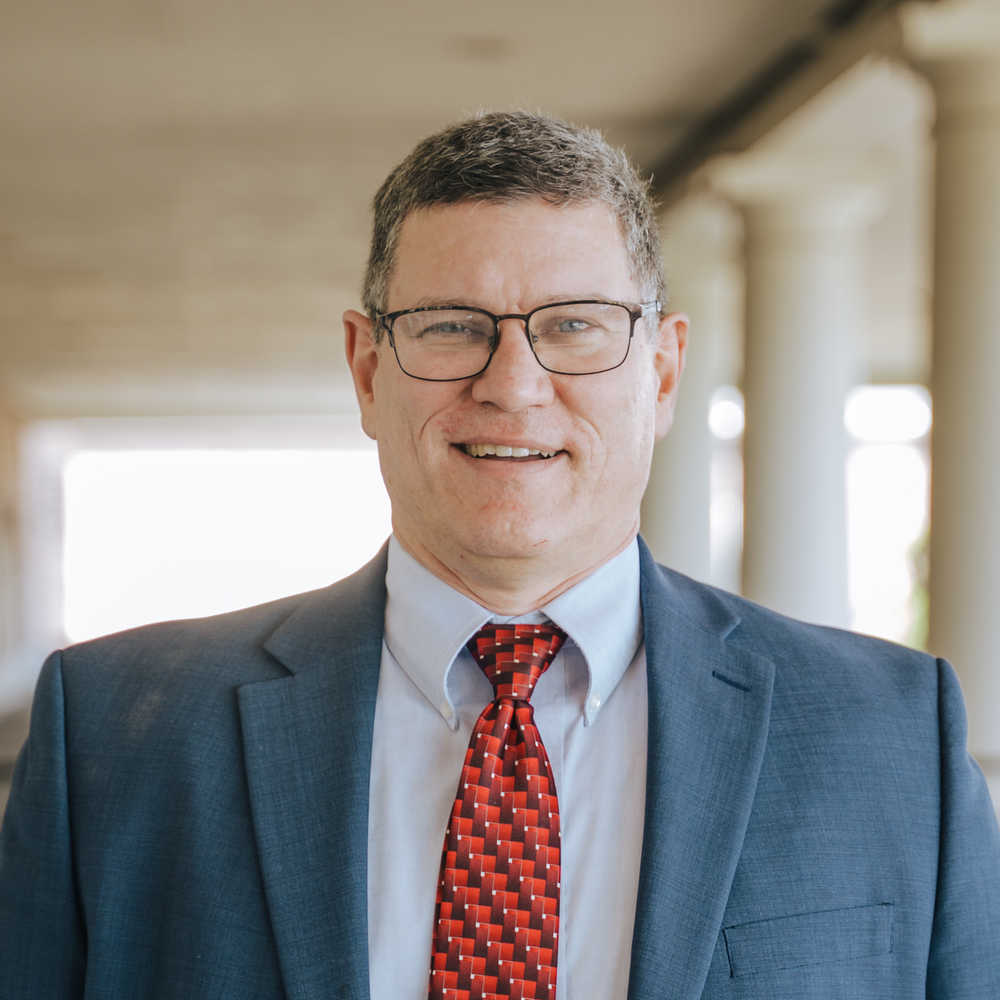
Taught by Thomas G. Guilliams, PhD
The shift
The immune system doesn’t fail all at once
“Autoimmunity” covers more than 100 conditions, many of which are better described as autoinflammatory, and their prevalence keeps climbing in countries that have adopted a Western diet and lifestyle. Yet care is often split across specialties and focused on blocking the cytokine signals that drive inflammation, not the triggers that set them off. This session gives you the immunology framework most clinicians never received.

Standard care today
What most patients still get
The immune system is only considered once an autoimmune diagnosis is already on the chart
Symptoms are split across specialties such as rheumatology, dermatology, and GI, with no one connecting the dots
Treatment blocks the cytokine signals without asking what triggered them
The gut is treated as a separate problem, not a source of inflammation elsewhere in the body

After this course
What you’ll do differently
Explain how the innate and adaptive immune systems contribute differently to autoinflammatory and autoimmune disease
Recognize where the textbook split between innate and adaptive immunity oversimplifies how immune-mediated disease develops
Trace how gut dysbiosis and intestinal hyperpermeability trigger immune-mediated inflammation
Connect inflammation at the gut barrier to inflammatory conditions in the joints, brain, and beyond
Prioritize foundational strategies: support core GI function, replete key nutrients, and support a healthy inflammatory response
The competencies
After 60 minutes, you’ll be able to
Four clinical competencies, built on the accredited learning objectives.

Distinguish Autoimmune from Autoinflammatory
Explain how autoimmune conditions arise mainly through the acquired (adaptive) immune system and autoinflammatory conditions through the innate immune system, and why innate signals often set the course for both.

Trace the Gut Triggers
Describe how gut dysbiosis and gastrointestinal hyperpermeability trigger both pathways, and why they carry the most weight in autoinflammatory disease.

Connect the Gut Barrier to Systemic Inflammation
Link inflammation at the gut immune barrier to inflammatory conditions in the gut, joints, brain, and cardiovascular system.
Reduce Gut-Driven Inflammation
Discuss basic strategies for reducing gut-driven systemic inflammation and its downstream consequences.
Why this course was created
Autoimmune and autoinflammatory conditions are rising, yet the biology behind them is rarely taught beyond a paragraph: how the innate and adaptive immune systems talk to each other, and how signals from the gut set that conversation in motion. In this session, Dr. Guilliams walks through that biology and shows why treatments aimed at upstream factors (the gut microbiota, gut permeability, and environmental triggers) address the root cause, while current treatments target only the downstream cytokine signals. This isn’t about suppressing the immune system. It’s about understanding why it turned on.
Thomas G. Guilliams, PhD
Course instructor
Who this is for
Built for clinicians caring for patients with autoimmune & autoinflammatory conditions
No functional medicine background required, just an interest in treating the cause, not the label.
Pharmacists
Expanding into immune, inflammatory, and lifestyle care.
NPs & PAs
Seeing autoimmune and inflammatory patients in primary care and specialty clinics.
Physicians
Family medicine, internal medicine, rheumatology, and endocrinology.
Dietitians & Health Coaches
Supporting nutrition, supplement, and anti-inflammatory lifestyle change.
Clinicians Tired of the Symptom-Suppression Model
Who want an approach that looks for why the immune system turned on.
Anyone Whose Patients Feel Dismissed
Who’ve searched for answers while the system had no framework for them.
How it’s different
The immunology most clinicians never got, made clinically useful
Understand the mechanism, and the upstream strategies make sense.

Mechanism-First
Grounded in peer-reviewed immunology, from Toll-like receptors and the inflammasome to trained innate immunity.
Clinically Relevant
Connects immune mechanisms to the gut, joint, and brain inflammation you see in practice, and to where support can begin.

Evidence-Informed
Built on the peer-reviewed literature, with each key concept tied to its source.
Complete curriculum · 60 minutes
What you’ll cover in 60 minutes
A structured path from immune mechanisms to gut-focused strategy.
1
Autoimmune vs. Autoinflammatory: Rethinking the Two-System Model 15 min
Classic autoimmunity and the autoimmune triad, how the adaptive immune system builds diversity, and why innate-versus-adaptive textbook definitions fall short for immune-mediated inflammatory diseases.
2
The Innate Immune System as Conductor 18 min
Pattern recognition receptors, Toll-like receptors, and the NLRP3 inflammasome; how antigen-presenting cells instruct T cells; and trained immunity, the innate system’s own form of memory.
3
The Gut as Trigger 15 min
Where naïve T cells first meet antigens, how dysbiosis and intestinal hyperpermeability alter immune responses, and how gut barrier damage reaches the joints, skin, and brain.
4
Reducing Gut-Driven Systemic Inflammation 12 min
Priorities for supporting patients: core GI function, nutrient repletion, natural inflammation support, and diet as a direct signal to the immune system.
The takeaway
You’ll walk away with

A clear framework for how the innate and adaptive immune systems drive autoinflammatory and autoimmune disease

Confidence explaining autoimmune vs. autoinflammatory to patients and colleagues

An understanding of how gut dysbiosis and barrier breakdown trigger inflammation in the joints, brain, and beyond
Foundational, gut-focused priorities for reducing systemic inflammation
PhD
Course instructor
Thomas G. Guilliams, PhD
Director, Point Institute · Functional Medicine CE Faculty
Thomas G. Guilliams, PhD, is director of the Point Institute, adjunct assistant professor at the University of Wisconsin-Madison School of Pharmacy, clinical instructor at the George Washington School of Medicine, and scientific director of AndHealth Clinic. He researches and teaches the mechanisms linking immune function, inflammation, and metabolic health, and is the author of Supporting Immune Function: A Lifestyle and Nutrient Approach. In this session, he lays out the immunology behind autoimmune and autoinflammatory disease and the gut-focused strategies that follow from it.
Good to know
Frequently asked questions
Who is eligible for CE/CME credit?
Eligible for pharmacists, physicians, NPs, PAs, nurses, and RDs. Credits are provided through our accredited continuing education partner.
Do I need a functional medicine background?
No. The session builds from core immunology concepts. A working familiarity with basic immunology will help you get the most from it.
Is this just an immunology lecture?
Immunology is the foundation, taught with the clinic in mind. Dr. Guilliams connects each mechanism to the gut, joint, and brain inflammation seen in practice, and closes with the foundational priorities for reducing gut-driven inflammation.
Does this session cover testing or treatment protocols?
This session focuses on mechanism and foundational strategy. For functional GI testing and therapeutic protocols, see The Gut in Practice: Functional Testing and Therapeutic Strategies for Gastrointestinal Disorders.
What if I can’t attend live?
Everyone who registers receives the recording and full access to the session materials to review afterward.
Stop treating symptoms. Start understanding the immune system.
Autoimmune and autoinflammatory conditions are rising. Make sure your care reflects what the immune system is really telling you.
1.0 Hour CE/CME · $39Live · Friday, Oct 9 · 12:00 PM ET

AMA PRA Category 1 · ACPE · AAPA · AANP · ANCC · accredited via AKH & Joint Accreditation