
A live CE/CME summit for forward-thinking clinicians
Functional & Integrative Care for Mood, Anxiety & Attention
The labs are normal. The patient is not.
A 14-hour CE/CME program for clinicians whose patients aren’t getting better on first-line treatment.
Learn how to assess and treat depression, anxiety, and ADHD by looking at what drives them: medications, metabolism, inflammation, nutrient status, hormones, gut health, sleep, and genetics. Eight expert faculty, two live days, and clinical tools you can use with your next patient.

14
CE/CME hours

8
Expert faculty

3
Oct 30, Nov 13, & 20

$429
Intro price
 Free live kickoff Oct 30 · Replay included · All CE bundled at completion
Patient · anxious, wired, and exhausted
Pattern: not “just stress”
Cortisol waking rhythmBlunted morning peak
 Suboptimal
B-vitamin & methyl statusFolate, B12, homocysteine
Borderline
Inflammationhs-CRP
Elevated
Sleep & circadian hygieneLate-night screens, erratic schedule
 The lever
☉ The shift this summit creates
“By the end, you’ll see anxiety, low mood, and poor focus as reflections of connected physiology, not isolated diagnoses to be managed in silence.”
You’ll leave with practical, evidence-informed frameworks you can apply the very next week, bridging nutrition, lifestyle, gut, metabolism, and medication into one coherent care plan.
Persistent symptoms despite treatment become a solvable puzzle.
14
hours of CE/CME across the kickoff, live days & on-demand follow-through
8
expert faculty across psychiatry, pharmacy, nutrition & functional medicine
3
live days: the free Oct 30 kickoff + two deep-dive sessions
 Before / After
See the same patient a new way
Mood, anxiety, and attention were long taught as separate conditions. Real patients present with overlapping physiology, and the workup changes when you read it in systems.

Before · treated in silos
- Anxiety, low mood & inattention treated as separate, medication-first diagnoses
- A diagnosis and a prescription, with the why left unexplored
- “Normal” labs closing the case instead of opening new questions
- Gut, metabolism, inflammation & nutrient status left out of the workup
- Sleep, stress & lifestyle demoted to advice, not levers
After · approached as systems
- Mood, anxiety & attention seen as expressions of connected systems
- Underlying drivers assessed before a medication is chosen
- Laboratory patterns interpreted in relationship to one another
- Gut-brain, metabolic & inflammatory contributors evaluated as primary levers
- Practical protocols you can implement in the next patient visit
Kickoff countdown
Three dates. One clear path.
Start free, then join two live days of case-based learning in November. Reserve your seat and the intro price before the deadline.
FREE
Oct 30
Live kickoff, register free, no purchase needed
LIVE DAY 1
Nov 13
Morning-to-afternoon live sessions & Q&A
LIVE DAY 2
Nov 20
Case-based synthesis & implementation workshop
 Intro price $429 (reg $549), ends Nov 6. Kickoff is always free (CE not included in free seat).
Reserve Your Free Kickoff Seat
The Oct 30 live kickoff is free. Tell us where to send the replay and details, no purchase needed.
The faculty
Learn from clinicians who treat this every day
Eight experts across psychiatry, pharmacy, nutrition, and functional medicine, each bringing a distinct lens on mood, anxiety, and attention.

Teodoro Bottiglieri
PhD
Neuroscience Researcher
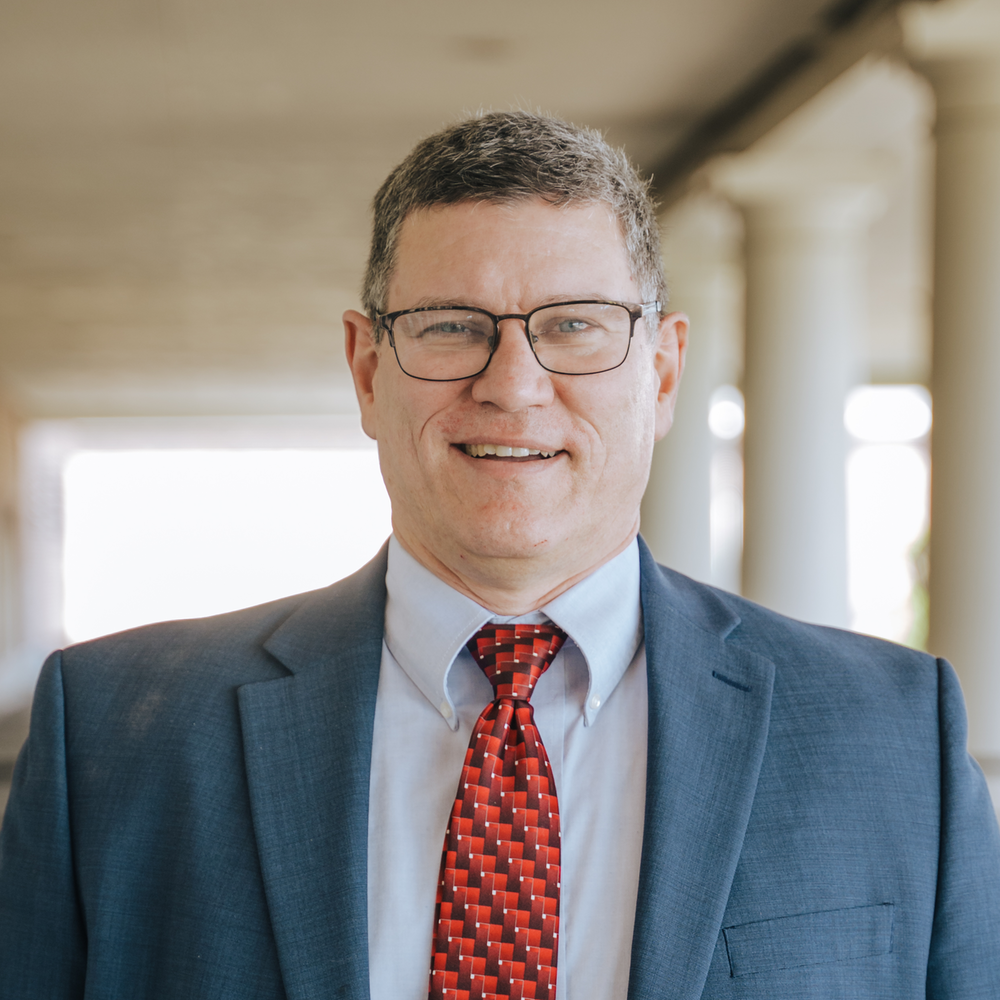
Thomas Guilliams
PhD
Clinical Scientist & Educator

Mariya Farooqi
PharmD
Integrative Clinical Pharmacist

Everest Goldstein
NP
Nurse Practitioner

Melody Hartzler
PharmD, BCACP, BC-ADM, ABAAHP
Clinical Pharmacist

Cynthia Yu
PharmD
Integrative Clinical Pharmacist

Lara Zakaria
PharmD, MS, CNS, CDN, IFMCP
Clinical Pharmacist & Nutritionist

Megan Morrison
PharmD
Clinical Pharmacist
 The agenda
Summit curriculum
Expand each session to see its full description and learning objectives. All live sessions include replay so you miss nothing, learn at your pace.

14
CE/CME hours total
8
Expert faculty
3
Live sessions (kickoff + 2 days)
∞
Replay included

Free Live Kickoff FREE
Session 1 · Mental Health in Clinical Practice: The Gap, the Physiology, and the Path ForwardMelody Hartzler, PharmD, BCACP, BC-ADM, ABAAHP60 min
Learning objectives
- Describe current prevalence, treatment-response, and remission data for depression and anxiety disorders
- Identify physiologic contributors to mood, anxiety, and attention symptoms that symptom-only diagnosis may miss, including inflammatory, metabolic, nutrient, hormonal, microbiome, circadian, and medication-related factors
- Outline a sequenced integrative clinical approach that moves from medication review and laboratory assessment to targeted intervention and safe medication management
- Recognize red flags requiring urgent psychiatric evaluation and define referral thresholds for non-psychiatric clinicians
On-Demand Sessions ON DEMAND
Session 2 · Biochemical Drivers of Anxiety and DepressionThomas Guilliams, PhD90 min
Learning objectives
- Describe inflammatory and immune signaling pathways that modify mood and anxiety
- Explain the mechanisms linking the gut microbiome and intestinal barrier function to brain function
- Identify tryptophan and kynurenine metabolism as a mechanistic link between inflammation and depression
- Analyze how metabolic dysfunction and chronic stress converge on shared inflammatory pathways
Session 3 · Circadian Rhythm and Mental HealthMegan Morrison, PharmD60 min
Learning objectives
- Describe circadian regulation of mood, cortisol rhythm, and melatonin signaling
- Identify circadian disruption as a contributor to depression, anxiety, and cognitive symptoms
- Evaluate light exposure, sleep timing, and meal timing interventions for circadian realignment
- Recommend evidence-informed approaches to circadian support in patients with mood and anxiety disorders
Session 4 · ADHD Across the LifespanMelody Hartzler, PharmD90 min
Learning objectives
- Assess iron and ferritin, zinc, magnesium, and omega-3 status in patients presenting with attention symptoms
- Evaluate the evidence for dietary elimination and food additive removal in pediatric ADHD
- Identify sleep-disordered breathing and circadian disruption as contributors to attention presentations
- Apply pharmacogenomic and clinical criteria to stimulant and non-stimulant selection
- Recognize adult ADHD presentations commonly misattributed to anxiety or depression

Live Day 1 · Nov 13 LIVE
Session 5 · SAMe and related B Vitamins in Mental HealthTeodoro Bottiglieri, PhD60 min
Learning objectives
- Describe the biological roles of S-adenosylmethionine (SAMe) and methylation in the central nervous system.
- Assess the role of folate, vitamin B12, and vitamin B6 status in one-carbon metabolism and mood regulation.
- Evaluate clinical trial evidence for SAMe and related B vitamins in depression, including monotherapy and adjunctive use.
- Identify appropriate candidates, dosing strategies, and monitoring considerations for SAMe and related B-vitamin supplementation.
Session 6 · Read the Med List FirstMariya Farooqi, PharmD60 min
Learning objectives
- Recognize prescription and OTC agents with established neuropsychiatric adverse effects, including montelukast, fluoroquinolones, corticosteroids, beta-blockers, isotretinoin, varenicline, and interferon
- Assess cumulative anticholinergic burden and its association with cognitive impairment and long-term dementia risk
- Distinguish medication-induced psychiatric symptoms from primary illness using temporal reasoning and dechallenge logic
- Develop a systematic medication-review protocol to screen for iatrogenic contributors before initiating psychiatric treatment
Clinician tool: medication-review checklist.
Session 7 · Complete Mental Health Laboratory Assessment, Part 1: Inflammation, Metabolic, and Nutrient StatusMelody Hartzler, PharmD90 min
Learning objectives
- Interpret fasting glucose, fasting insulin, HOMA-IR, and A1c in patients presenting with mood or anxiety symptoms
- Evaluate hs-CRP, IL-6, and ferritin as inflammatory markers, including ferritin’s dual role as an acute phase reactant and an iron store
- Assess B12, methylmalonic acid, homocysteine, folate, vitamin D, omega-3 index, magnesium, and zinc in relation to neuropsychiatric presentations
- Identify high-prevalence drug-nutrient depletion pairs relevant to psychiatry and recommend evidence-informed monitoring and repletion strategies
Clinician tool: drug-nutrient depletion chart.
Session 8 · Pharmacogenomics and Nutrigenomics in Mental HealthCynthia Yu, PharmD60 min
Learning objectives
- Describe CYP2D6 and CYP2C19 phenotypes and their documented effects on antidepressant and stimulant exposure
- Apply CPIC guidance to psychotropic selection and dosing decisions
- Evaluate the current evidence base for combinatorial pharmacogenomic panels and their effect on clinical outcomes
- Analyze nutrigenomic variants relevant to mental health, including MTHFR and one-carbon metabolism, and distinguish supported interpretation from commercial overreach
- Counsel patients presenting with direct-to-consumer genomic reports

Live Day 2 · Nov 20 LIVE
Session 9 · Complete Mental Health Laboratory Assessment, Part 2: Hormonal and Microbiome TestingMelody Hartzler, PharmD90 min
Learning objectives
- Interpret estradiol, progesterone, and testosterone results in the context of depressive and anxious presentations across the lifespan
- Evaluate thyroid panels beyond TSH and cortisol rhythm testing in patients with mood, anxiety, and cognitive complaints
- Interpret stool testing findings relevant to mental health, including bacterial patterns, calprotectin, sIgA, candida, and parasites
- Evaluate zonulin and other intestinal permeability markers, including their evidentiary limitations
Session 10 · First, Do No Harm on the Way OutMariya Farooqi, PharmD90 min
Learning objectives
- Differentiate antidepressant withdrawal from relapse using symptom onset, quality, and receptor-occupancy principles
- Apply hyperbolic tapering to construct a stepwise dose-reduction schedule for an SSRI or SNRI
- Evaluate benzodiazepine and z-drug deprescribing strategies, including microtapering and long-acting substitution, and identify patient factors that modify taper rate
- Formulate an integrative support plan, nutritional and behavioral, to layer onto a taper while monitoring for protracted withdrawal
Clinician tool: taper protocol template.
Anchor evidence: Horowitz MA, Taylor D. Tapering of SSRI treatment to mitigate withdrawal symptoms. Lancet Psychiatry. 2019;6(6):538-546. Horowitz MA, Taylor D. The Maudsley Deprescribing Guidelines. Wiley-Blackwell; 2024.
Session 11 · Clinical Cases: Anxiety and DepressionEverest Goldstein, NP90 min
Learning objectives
- Apply knowledge of anxiety and depression pathophysiology and clinical workup to patient cases
- Analyze laboratory findings across inflammatory, nutrient, hormonal, and microbiome domains to prioritize intervention
- Develop sequenced treatment plans integrating nutrition, targeted supplementation, and pharmacotherapy decisions
- Evaluate monitoring endpoints and treatment response in complex presentations

Bonus Session NON-CE
Nutrition for Mental HealthLara Zakaria, PharmD, MS, CNS, CDN, IFMCP90 min
 From clinicians
What attendees say
A note on the clinical confidence clinicians take back to practice after the summit.
“
If this is your niche, then this is the best place to come to receive timely and focused CE. The depth of understanding the facilitators have is very valuable. You won’t regret attending, participating, and accessing the information available through FxMed.
EB
Erin B.
“
I now have a better understanding of identifying symptom patterns, knowing which labs to order, recognizing lab patterns, and am confident in discussing these things.
DB
Daniel B.
Enrollment
Choose how you want to learn
Both options include the free Oct 30 kickoff, both live days with replay, and all 14 CE/CME hours. Intro pricing ends Nov 6.
This Summit
$429reg $549
- All 14 CE/CME hours, kickoff, both live days & objectives
- Both live days (Nov 13 & 20) with replay included
- Free Oct 30 kickoff
- Downloadable handouts, templates & clinical tools
- Certificate of completion
Best Value
Annual Pass
$549/year
This summit included, plus 16 more CE hours
- Everything in this summit, all 14 CE/CME hours
- Spring flagship cardiometabolic summit
- New content added through your membership year
- Best per-hour value for continuing your learning
All prices in USD. Intro rate $429 (reg $549) available through Nov 6. The Oct 30 kickoff is always free.
 FAQs
Questions, answered
The details that matter most, credit, access, replay, and the intro deadline.
Who is this summit for?
Clinicians who manage patients with mood, anxiety, or attention concerns, pharmacists, physicians, NPs, PAs, nurses, and RDs. No functional-medicine background is required.
What CE/CME credit will I earn?
This activity is jointly provided and accredited through Joint Accreditation, with credit offered across AMA PRA Category 1™, ACPE, AAPA, AANP, ANCC, and RD/DTR. You’ll earn all 14 hours, with CE bundled and awarded at completion.
Is the Oct 30 kickoff really free?
Yes, register for the kickoff at no cost, no purchase needed. Enrollees also get the replay and the full learning experience.
What if I can’t attend live?
Every live session is recorded, and replay is included with enrollment. Learn on your own schedule and still earn full credit.
When does the intro price end?
The $429 intro rate (reg $549) is available through Nov 6. The Oct 30 kickoff is always free.
What does the Annual Pass include?
Eight live hot-topic sessions, replays, resources, and a direct faculty channel – all year. Add both flagship summits with Complete for 24+ CE/CME hours.
FAQs
Frequently asked questions
The details that matter most, credit, access, replay, and the intro deadline.
Who is this summit for?
Clinicians who manage patients with mood, anxiety, or attention concerns, pharmacists, physicians, NPs, PAs, nurses, and RDs. No functional-medicine background is required.
What CE/CME credit will I earn?
This activity is jointly provided and accredited through Joint Accreditation, with credit offered across AMA PRA Category 1™, ACPE, AAPA, AANP, ANCC, and RD/DTR. You’ll earn all 14 hours, with CE bundled and awarded at completion.
Is the Oct 30 kickoff really free?
Yes, register for the kickoff at no cost, no purchase needed. Enrollees also get the replay and the full learning experience.
What if I can’t attend live?
Every live session is recorded, and replay is included with enrollment. Learn on your own schedule and still earn full credit.
When does the intro price end?
The $429 intro rate (reg $549) is available through Nov 6. The Oct 30 kickoff is always free.
What does the Annual Pass include?
This summit plus every FXMedCE CE course and live event during your membership year, the best per-hour value for year-round learning.
Final invitation
Mental health care requires more than memorizing guidelines.
It requires thinking in systems.
Recognize the patterns. Connect the physiology. Practice with confidence. Join this summit and discover a new framework for mood, anxiety, and attention care.
14 CE/CME hours · free Oct 30 kickoff + two live days · replay included · intro $429 ends Nov 6

AKH Inc is an accredited provider through Joint Accreditation. AKH and Revelar Health LLC are jointly providing credit for this activity. It will be awarded AMA PRA Category 1 Credit(s)™, ACPE, AAPA, AANP, ANCC, and RD/DTR credit. Eligible for pharmacists, physicians, NPs, PAs, nurses, and RDs; all CE is bundled and awarded at completion.